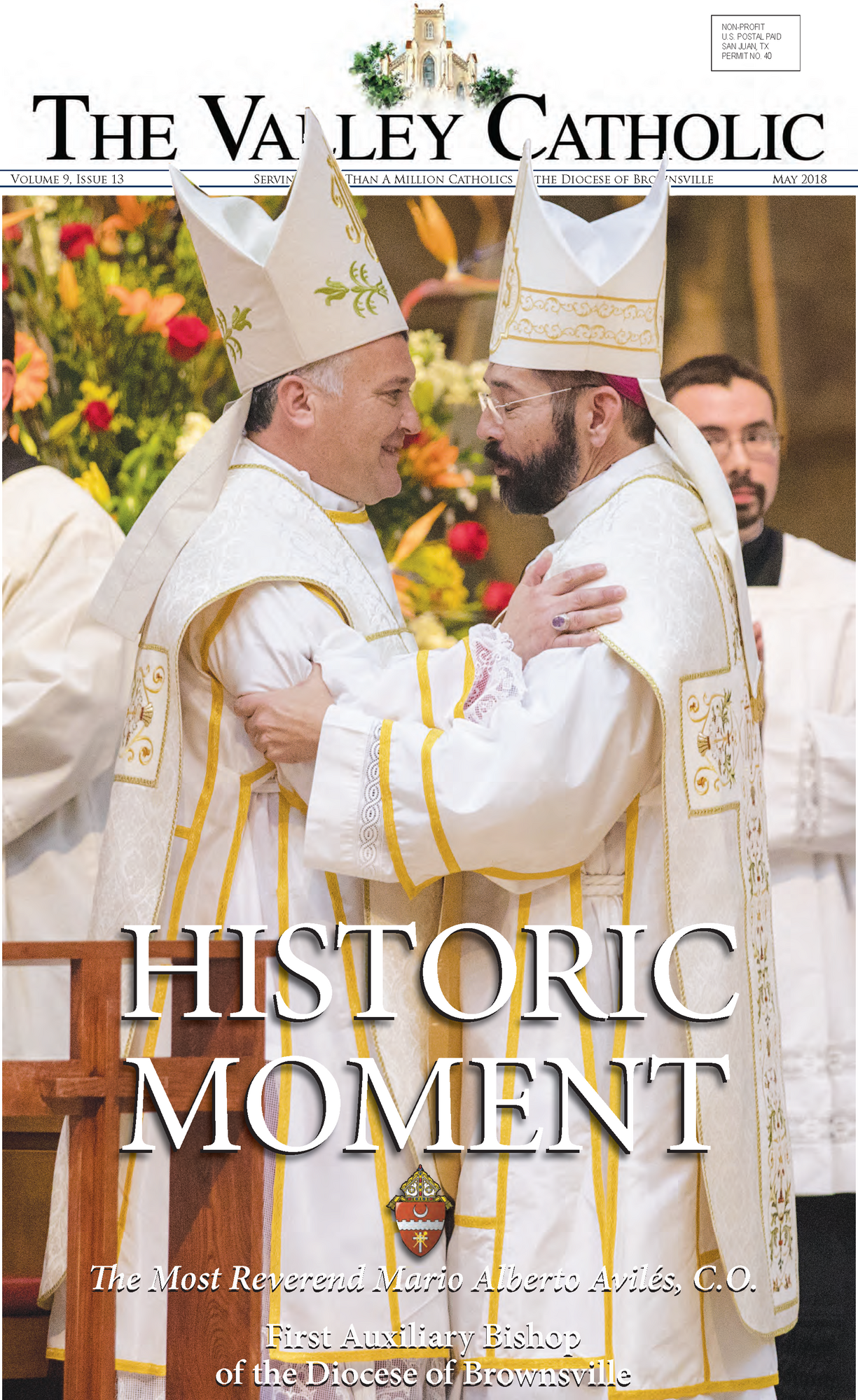
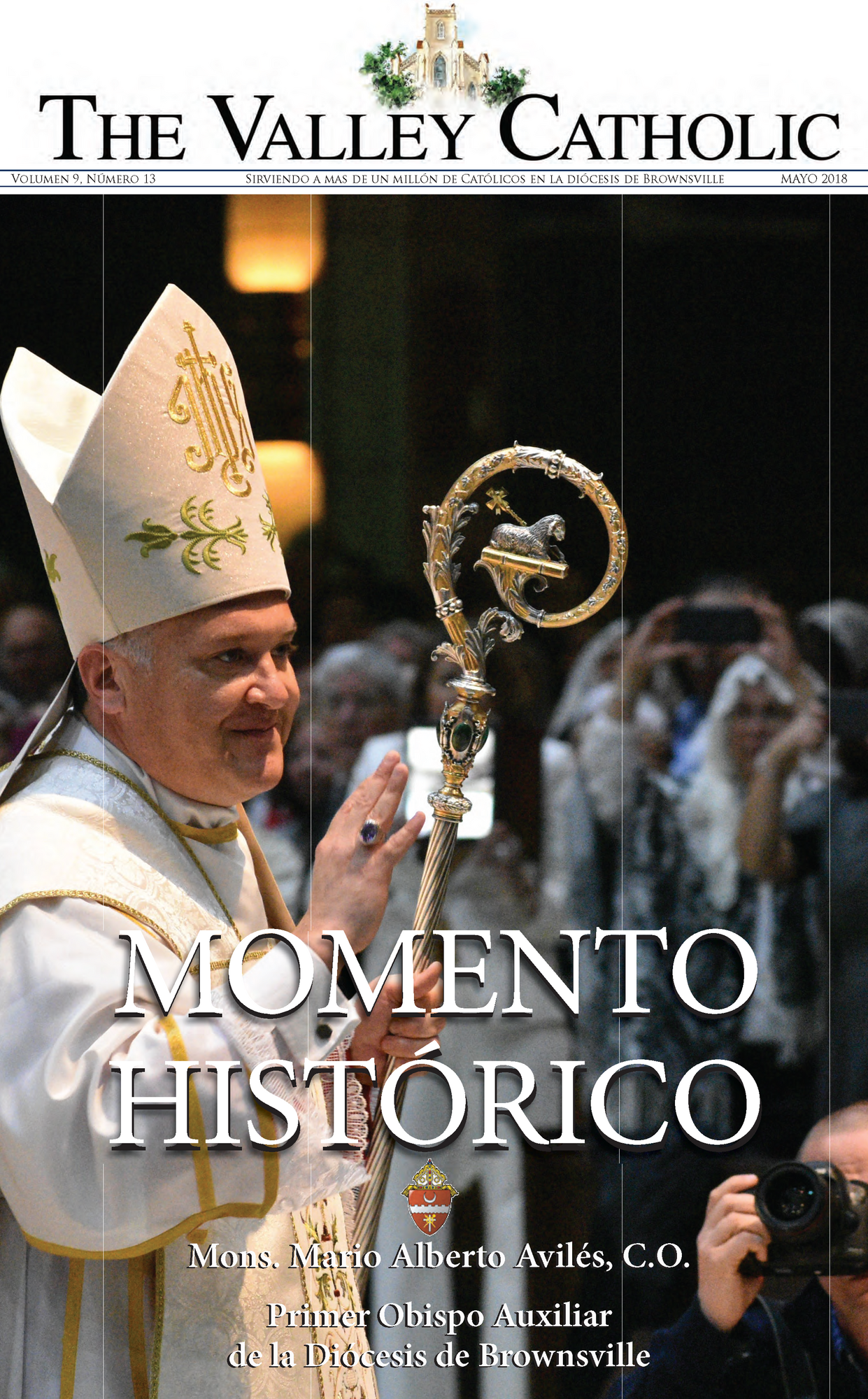
-
-

Most REv. Mario A. Avilés, C.O.
Auxiliary Bishop of Brownsville
Bishop Mario A. Avilés, C.O. was born in Mexico City on September 16, 1969. The son of Rafael and María Guadalupe, he joined the Congregation of the Oratory of St. Philip Neri in 1986.
His studies to the priesthood took him initially to Mexico City, México and then to Rome where he received his bachelor’s degrees in Philosophy and Sacred Theology at the Pontifical Athenaeum Regina Apostolorum. He holds a master’s degree in Education Administration and Supervision and is a certified teacher in the State of Texas.
He was ordained to the priesthood on July 21, 1998 at the Basilica of Our Lady of San Juan del Valle – National Shrine, in San Juan, Texas. Upon his ordination, he was appointed parochial vicar at St. Jude Thaddeus Church in Pharr. He also began working with his Congregation at the Pharr Oratory Schools as Governance Board member, teacher, principal and rector. Additionally, he served in the Congregation as vicar, secretary, treasurer and novice master.
In 2002, he was appointed pastor of Sacred Heart Church in Hidalgo, Texas and also the representative for the religious priests in the Diocese of Brownsville's Pastoral Council. From 2000 to 2012 he was elected and served as member of the Permanent Deputation of the Confederation of the Oratory of St. Philip Neri for Latin America. At the General Congress of 2012, he was elected Procurator General of the Confederation of the Oratory. In December 2017, Pope Francis appointed him Auxiliary Bishop for the Diocese of Brownsville, Texas. He was consecrated on February 22, 2018, by the Most Rev. Daniel E. Flores, Bishop of Brownsville, Most. Rev. Raymundo Peña, Bishop Emeritus of Brownsville and Most. Rev. Eugenio Lira Rugarcia, Bishop of Matamoros.
-
Obispo Auxiliar de la Diócesis de Brownsville Mons. Mario A. Avilés, C.O.
El Obispo Mario A. Avilés, C.O., nació en la Ciudad de México el 16 de septiembre de 1969. Es hijo de Rafael y María Guadalupe.
En 1986 ingresó a la Congregación del Oratorio de San Felipe Neri comenzando así sus estudios para el sacerdocio en la Ciudad de México para luego terminarlos en Roma donde recibió su Licenciatura en Filosofía y Sagrada Teología en el Pontificio Ateneo Regina Apostolorum. También cuenta con una Maestría en Educación Administración y Supervisión y es Maestro Certificado en el Estado de Texas.
El 21 de julio de 1998, recibió la ordenación sacerdotal en la Basílica Santuario Nacional de Nuestra Señora de San Juan del Valle, en San Juan, Texas. Fue nombrado vicario en la parroquia de San Judas Tadeo en Pharr, Texas y en su Congregación comenzó a trabajar en las escuelas del Oratorio como miembro del Consejo de Gobierno, maestro, director y rector. También sirvió en la Congregación como vicario, secretario, tesorero y maestro de novicios.
En el año 2000 fue elegido miembro de la Diputación Permanente de la Confederación del Oratorio de San Felipe Neri y en el 2012 elegido Procurador General de la misma Confederación. De 2002-2018 fue párroco de la Iglesia Sagrado Corazón de Jesús en Hidalgo, Texas. En diciembre de 2017 el Papa Francisco lo nombró obispo auxiliar para la Diócesis de Brownsville y fué consagrado el 22 de Febrero del año 2018 por Mons. Daniel E. Flores, Obispo de Brownsville, Mons. Raymundo Peña, Obispo Emérito de Brownsville y Mons. Eugenio Lira Rugarcia, Obispo de Matamoros.
-

The Episcopal Coat of Arms of
The Most Rev. Mario A. Avilés, C.O.Auxiliary Bishop of Brownsville, Texas
According to the Roman Catholic Church’s heraldic tradition, the Coat of Arms of a Bishop is normally composed of:
• a shield with its charges (symbols) coming from family, geographic, religious and historical meanings and/or referred to the name of the Bishop;
• a golden processional cross, with one traversal bar, to represent the rank of the Bishop, “impaled” (vertically) behind the shield;
• a green hat (galero) with 12 (six on each side) attached tassels, ordained 1; 2; 3; from the top;
• a scroll with the motto, written generally in black, below everything.
Motto
“CARITAS DEI DIFFUSA EST IN CORDIBUS NOSTRIS”
(Romans 5:5)The shield is divided into three parts in an inverted “Y” shape known in heraldry as tierced per pall reversed.
The upper left portion (dexter chief) with a red background contains a triple-towered castle, the central tower being higher and winged all in gold, opened and with windows in black, placed on a silver field with blue waves.
The upper right portion (sinister chief) with a gold background contains a field of red roses.
The middle portion (middle base) with a blue background contains three eight pointed gold stars.
For his motto Bishop Avilés has chosen these words, “Caritas Dei diffusa est in cordibus nostris,” (translated as “The Love of God has been poured out into our hearts”) recalling the epistle from St. Paul to the Romans 5:5 and used in the Holy Mass at the introit for the feast of St. Philip Neri in remembrance of his mystical experience while praying in the catacombs of St. Sebastian in Rome.
The achievement is completed with the external ornaments which are a gold processional cross, that is placed in back of and which extends above and below the shield, and the pontifical hat, called a “galero,” with its six tassels, in three rows, on either side of the shield, all in green. These are the heraldic insignia of a prelate of the rank of bishop by instruction of The Holy See.
The triple-towered castle is taken from Bishop Avilés’ family name and represents the importance of the essential virtues and unity inherent to family life.
The field of red roses is to honor the Blessed Virgin Mary in her title of Our Lady of Guadalupe recalling the Mexican heritage of Bishop Avilés and the miracle of the roses that our Lady used to impress her image on the tilma.
The three eight pointed gold stars on a blue field is taken from the Neri family crest and used for the Congregation of the Oratory of St. Philip Neri which Bishop Avilés has been a member of since the beginning of his vocation.
The Coat of Arms was prepared by A. Bianco, L. Costa, and F. Cantone.
-
El escudo episcopal de
mons. Mario A. Avilés, C.O.Obispo Auxiliar de la Diócesis de BrownsvilleDe acuerdo con la tradición heráldica de la Iglesia Católica, el Escudo de un Obispo se compone normalmente de:- un escudo con sus símbolos provenientes de significados familiares, geográficos, religiosos e históricos y/o referidos al nombre del Obispo;
- una cruz procesional dorada, con una barra transversal, para representar el rango del Obispo, “empalado” (verticalmente) detrás del escudo;
- un sombrero verde (galero) con 12 (seis en cada lado) borlas adjuntas, ordenados 1; 2; 3; desde la parte superior;
- un pergamino con el lema, escrito generalmente en negro, debajo de todo.
Lema
El escudo está dividido en tres partes en forma de “Y” invertida, conocida en heráldica como terciado en perla invertida.“CARITAS DEI DIFFUSA EST IN CORDIBUS NOSTRIS”
(Romanos 5,5)
La parte superior izquierda (la diestra del jefe) con un fondo rojo contiene un castillo de tres torres, la torre central es más alta y alada, todo en oro, abierto y con ventanas en negro, colocado en un campo plateado con ondas azules.
La parte superior derecha (la siniestra del jefe) con un fondo dorado contiene un campo de rosas rojas.
La porción media (la base del punto) con un fondo azul, contiene tres estrellas doradas de ocho puntas.
Para su lema, el Obispo Avilés ha elegido estas palabras, “Caritas Dei diffusa est est in cordibus nostris” (traducido como “El amor de Dios ha sido derramado en nuestros corazones”) tomado de la epístola de San Pablo a los romanos 5:5 y utilizado en la Santa Misa en el introito para la fiesta de San Felipe Neri, recordando su experiencia mística mientras rezaba en las catacumbas de San Sebastián en Roma.
El escudo se completa con los ornamentos externos que son una cruz procesional de oro, que se coloca en la parte posterior y que se extiende por encima y debajo del escudo, y el sombrero pontificio, llamado “galero”, con sus seis borlas, en tres filas, a cada lado del escudo, todo en verde. Estas son las insignias heráldicas de un prelado del rango de obispo por instrucción de la Santa Sede.
El castillo de tres torres está tomado del apellido de Mons. Avilés y representa la importancia de las virtudes esenciales y la unidad inherente a la vida familiar.
El campo de rosas rojas es para honrar a la Santísima Virgen María en su título de Nuestra Señora de Guadalupe, recordando la herencia mexicana del Obispo Avilés y el milagro de las rosas que nuestra Señora usó para imprimir su imagen en la tilma.
Las tres estrellas de oro de ocho puntas en un campo azul se toman del escudo de la familia Neri y se utiliza por la Congregación del Oratorio de San Felipe Neri de la cual el Obispo Avilés ha sido miembro desde el inicio de su vocación.
El escudo Episcopal fue preparado por A. Bianco, L. Costa y F. Cantone.
-
-
Publications
-
-
Thank you, BIshop, Avilés!
-
Photo gallery
-
-
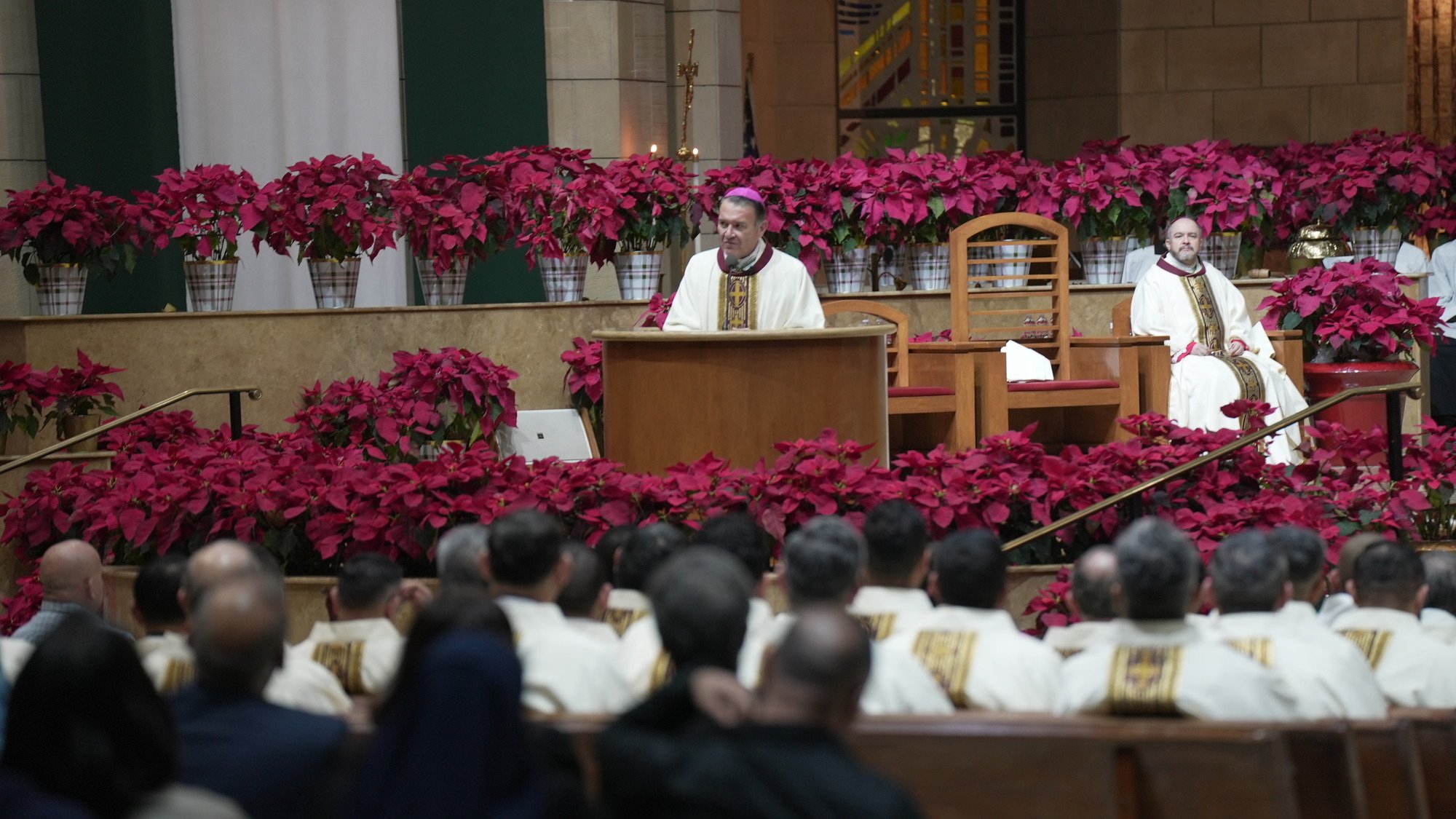
Solemn Vespers Homily by Bishop Daniel E. Flores
-
Mass of Installation as Ninth Bishop of Corpus Christi
-